IENE’s latest Research Note focuses on the weaponization of the economic dimension of the belligerent nations in the ongoing war in the Middle East. IENE’s Research Note No. 6, on “The Strait of Hormuz and the Logic of Economic Exhaustion in the US–Iran Conflict”, is written by Commander Athanasios Drivas HN, Deputy Commander at the Hellenic Navy Naval War College and Prof. Vasileios Syros, National Maritime Foundation & Centre for National Security Studies of India.
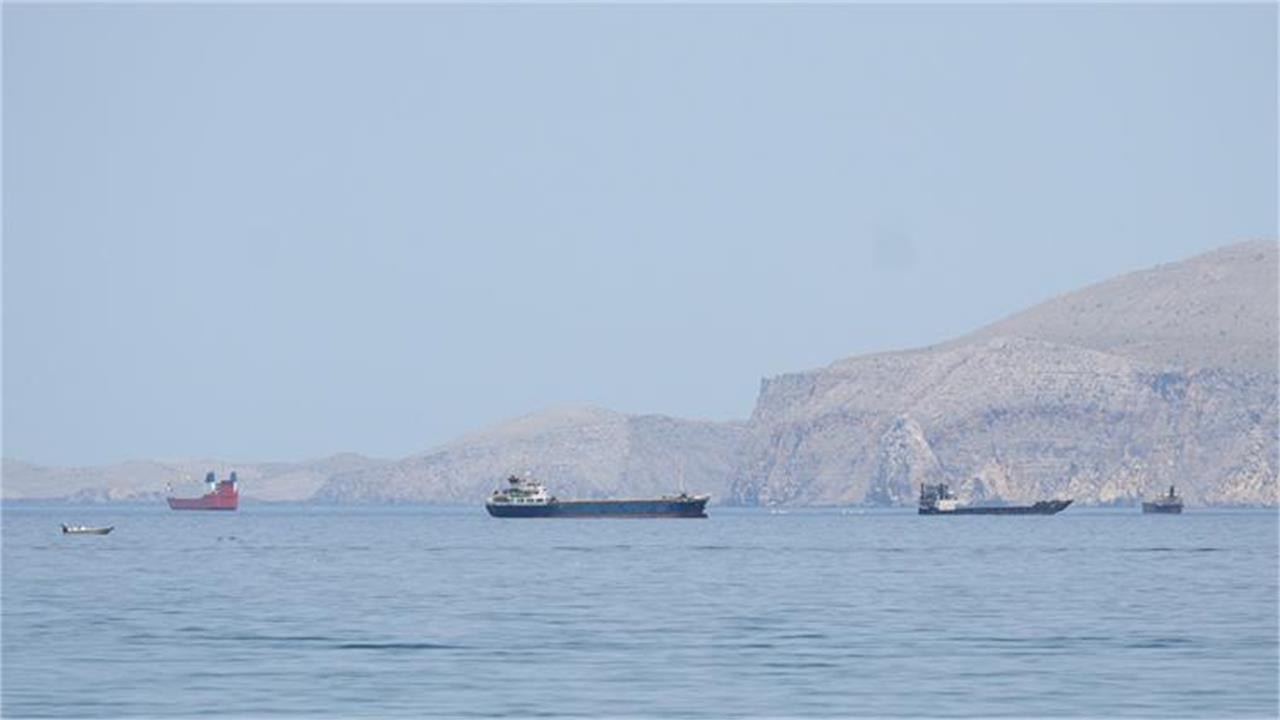
This highly topical Research Note by the Institute analyzes the fact that the ongoing military confrontation demonstrates with unusual clarity that contemporary war is no longer determined solely by the destruction of the adversary’s armed forces. As strategy seeks to impose cumulative economic, political, and logistical costs that render the continuation of conflict gradually less sustainable. Thus, the Strait of Hormuz can be best construed not merely as a maritime chokepoint, but as a strategic center of gravity, as its significance lies in linking military coercion to energy security, shipping, insurance, state revenue, and global supply chain continuity.
The importance of this Paper lies in the recognition of (a) the broader and regional impact that the control of the Straits of Hormuz by Iran has on the global economy, and (b) that this is the first time in modern history that such economic leverage can be exerted by a single actor (i.e. Iran) and a single choke point.
This new IENE Research Note, published in April 2026, is now available via the Institute’s website.